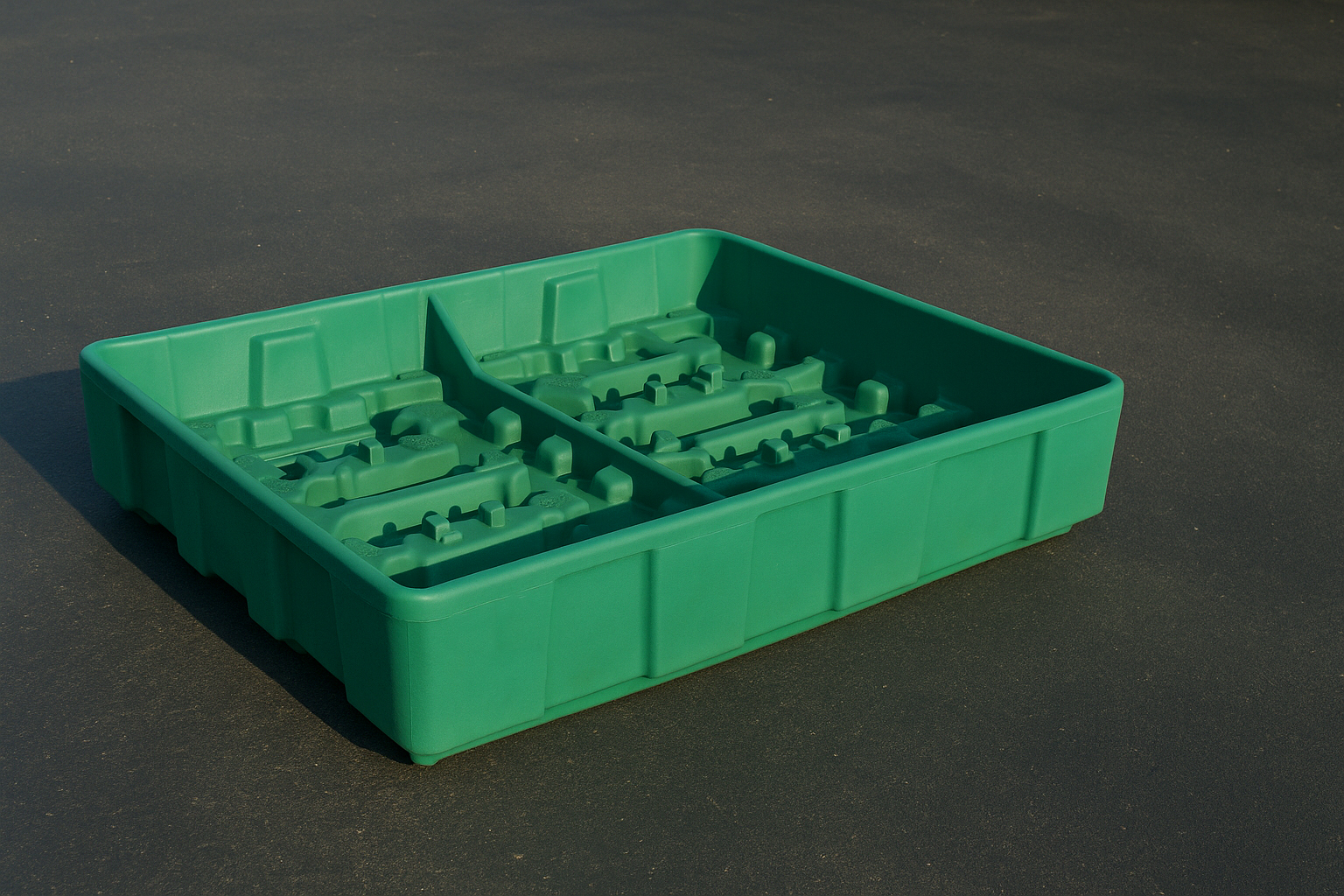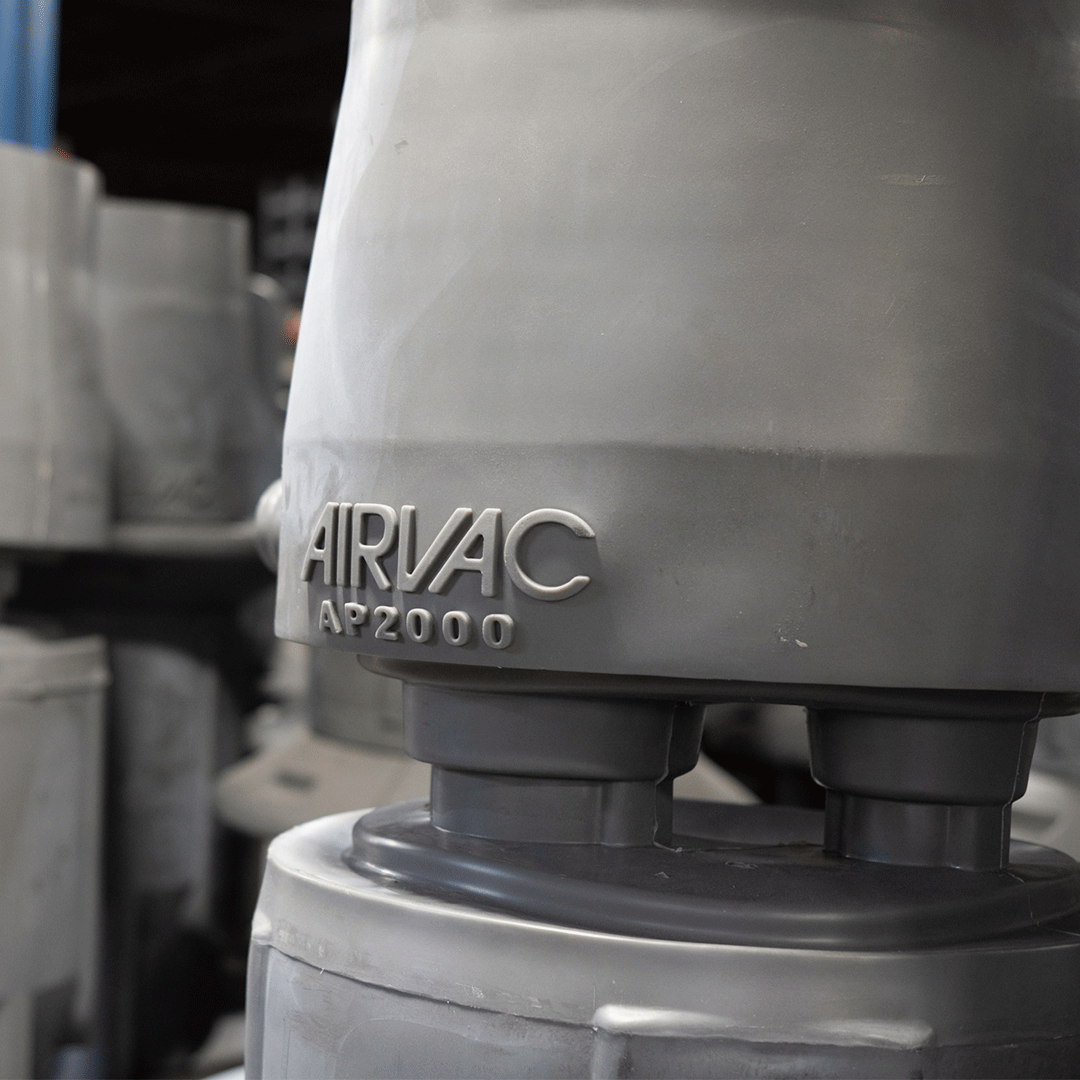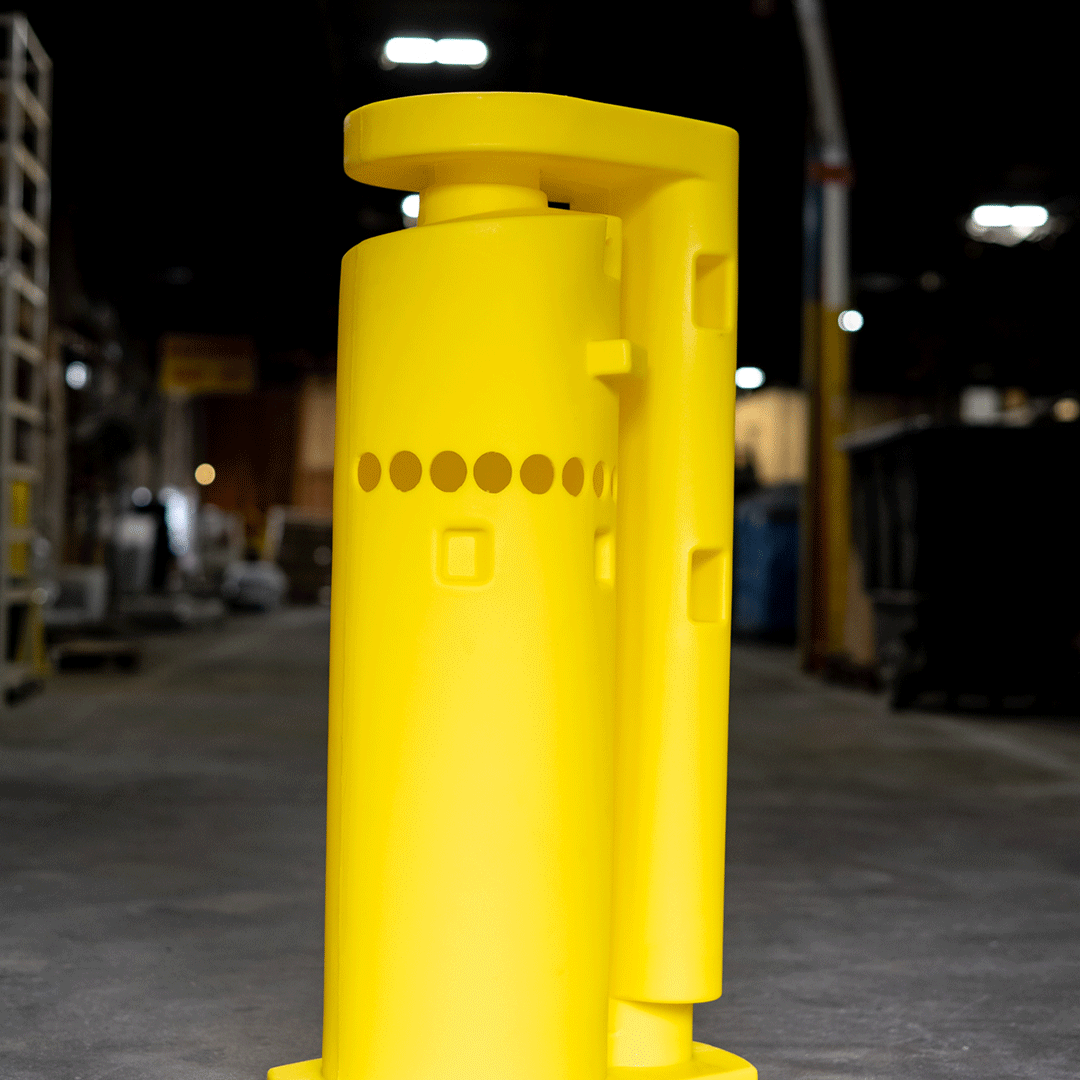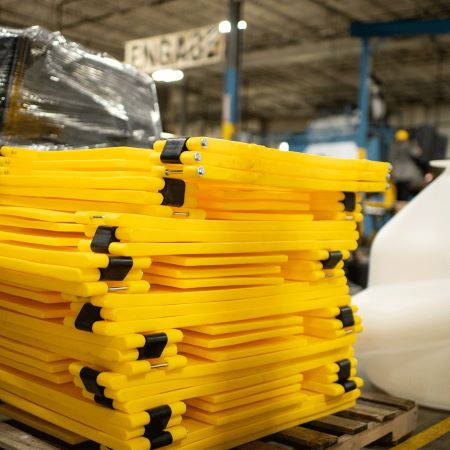
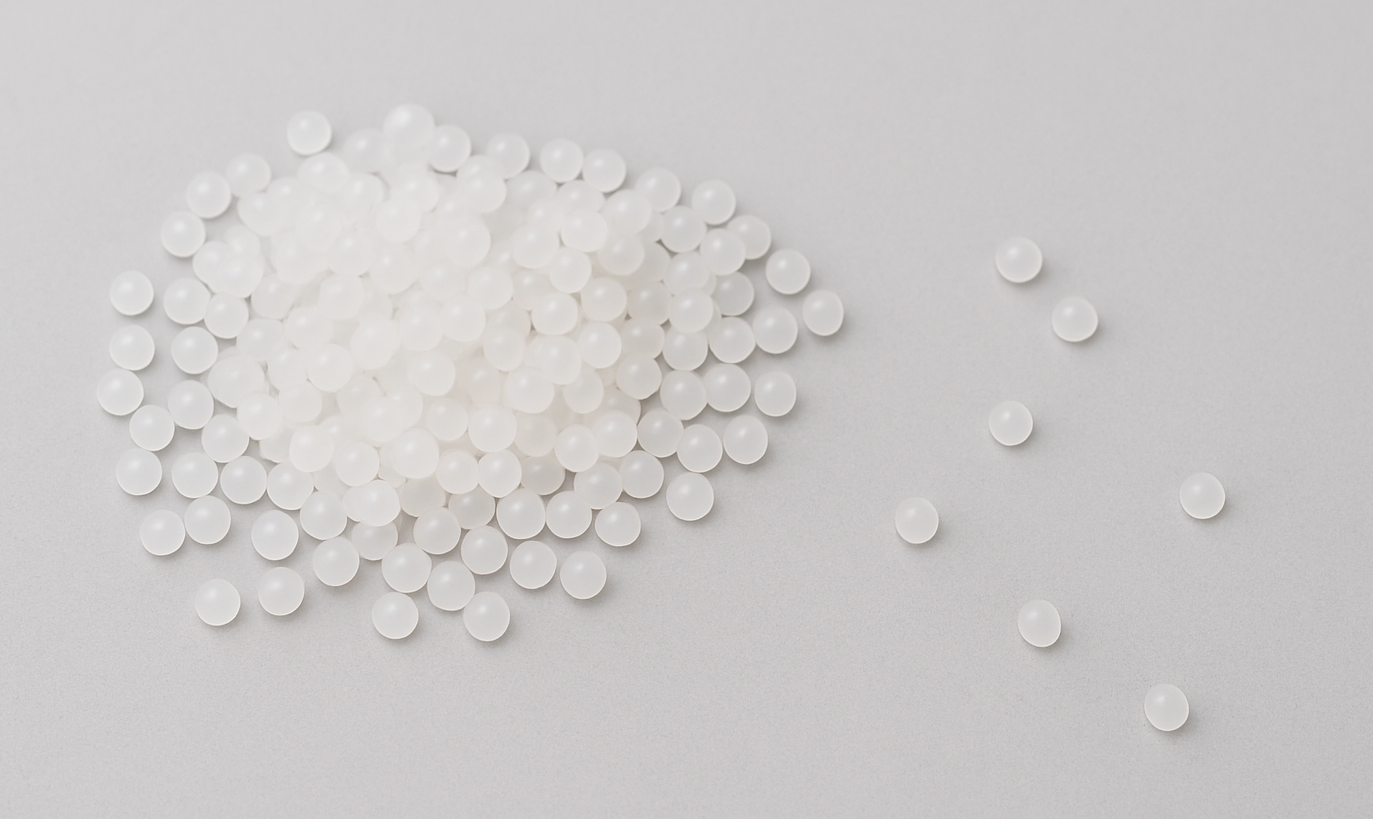
Polyethylene dominates rotational molding, making linear low-density polyethylene (LLDPE) the preferred material for a vast number of projects. At Integrity Rotational Molding, where engineering, craftsmanship, and American manufacturing guide every decision, LLDPE is used extensively because it consistently delivers the toughness, flexibility, and production efficiency that customers depend on.
Products produced with LLDPE rotomolding get an ideal balance of impact resistance, low-temperature toughness, and predictable melt-flow behavior. These characteristics allow designers to build complex shapes and durable hollow parts without excessive tooling or processing costs. For Integrity’s customers across agriculture, industrial equipment, material handling, and outdoor product markets, LLDPE provides the reliability and long service life they expect from rotationally molded components.
Understanding LLDPE Rotomolding Grades
Not all LLDPE behaves the same. Choosing the right LLDPE rotomolding grade is just as important as choosing LLDPE in general. Grades are engineered for different environments and performance goals, and selecting the wrong one can affect durability, color stability, or processing consistency.
Common LLDPE grade categories include:
- General-purpose grades: Balanced strength and processability for everyday products.
- UV-stabilized outdoor grades: Designed for long-term sunlight exposure without excessive fading or chalking.
- Impact-modified grades: Enhanced for cold-weather toughness and heavy-duty applications.
- Food-grade or regulatory-compliant grades: Used for products requiring FDA or similar approvals.
- Specialty grades: Tuned for pigmentation, chemical resistance, or brand-specific needs.
These grade differences give designers flexibility to optimize performance without redesigning entire parts.
How LLDPE Plastic Rotomolding Works
LLDPE plastic rotomolding begins with resin that has been ground into a controlled powder. Powder is critical because it must absorb heat evenly and spread smoothly across the interior surface of a mold. After loading the powder, the mold is closed, moved into an oven, and rotated on two axes.
Inside the oven, the powder melts and fuses into one seamless layer along the mold walls. Because the process relies on low pressure, gravity, and slow biaxial rotation rather than injection force, LLDPE’s melt-flow and shear characteristics play a major role in part uniformity and long-term performance. Once heated, the mold is cooled gradually until the part solidifies, maintaining the even wall thickness that rotomolding is known for.

Best Practices for LLDPE Rotomolding
LLDPE performs best when rotomolders follow a few proven practices that maximize consistency and reduce defects:
- Start with uniform LLDPE powder. The powder must be pulverized evenly, with consistent particle size and bulk density. Variations can lead to voids, thin spots, or incomplete fusion.
- Run wall-thickness experiments with new molds. Adjusting oven time, rotation speeds, and cooling conditions helps dial in the process and reduces trial-and-error once production begins.
- Monitor equipment settings and part “doneness”. Warpage often comes from over- or under-curing. Monitoring melt behavior—including bubble formation—helps identify correct bake cycles and improves overall part performance.
Benefits of Choosing LLDPE for Rotational Molding
When processed well, LLDPE offers an exceptional combination of advantages:
- Strong impact resistance
- Excellent environmental stress crack resistance
- UV stability with outdoor-grade formulations
- Even wall thickness and reduced internal stress
- Cost-effective tooling and processing
- Ability to handle large, complex shapes in a single piece
For many industries, these benefits make LLDPE the most practical and economical choice for high-use, long-life components.
Common Applications of LLDPE Rotomolding
LLDPE shows up in an extensive range of products, including:
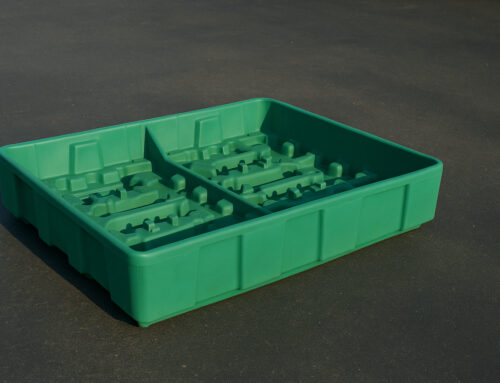
- Storage and transport tanks
- Agricultural bins and equipment parts
- Material-handling containers and carts
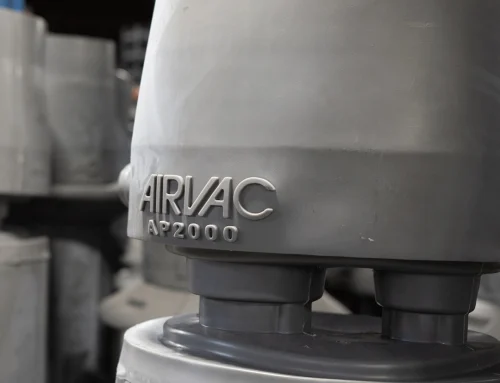
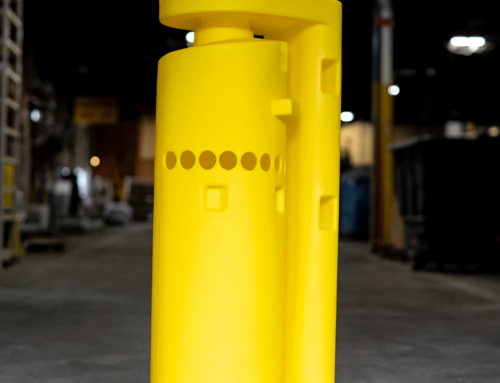
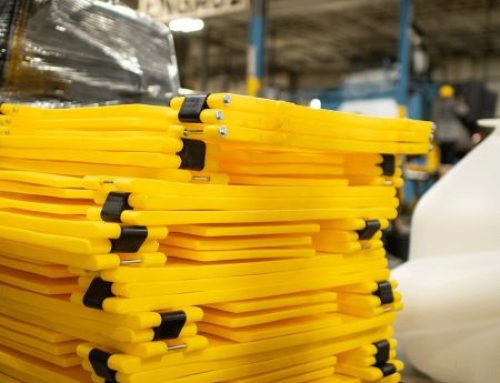
- Industrial housings, guards, and safety equipment
- Outdoor furniture, coolers, and recreational gear
Choosing the Right LLDPE Grade for Your Project
Selecting the right grade comes down to knowing how the part will be used:
- Indoor vs. outdoor exposure
- Temperature swings and impact demands
- Chemical contact
- Color and branding requirements
- Regulatory or food-contact needs
Building Better LLDPE Parts With Integrity
LLDPE offers a dependable foundation for durable, cost-effective rotationally molded products. But getting the best results requires consistent processing, the right grade selection, and a manufacturing partner that understands the subtle differences that influence part performance.
Integrity Rotational Molding brings decades of hands-on experience, modern equipment, and a people-first approach to every project. Whether you’re introducing a new design, evaluating material options, or scaling production, the Integrity team can help guide your LLDPE rotomolding project toward faster turnaround, dependable quality, and long-term durability.