For engineers and product developers, selecting a polymer is rarely about finding the “cheapest” option, it’s about finding the material that survives the environment. While Polyethylene (PE) dominates the industry due to its ease of use, polypropylene rotational molding has emerged as the premier choice for applications requiring superior thermal stability and exceptional chemical resistance.
Unlike standard plastics, Polypropylene (PP) offers a unique semi-crystalline structure that provides a higher melting point and greater stiffness, making it indispensable for specialized industrial components. At Integrity Rotational, we specialize in the technical complexities of PP, ensuring that every molded part meets the rigorous tolerances required by modern infrastructure and manufacturing.
Why Choose Polypropylene Rotational Molding? (The Top 4 Benefits)
When comparing materials, the choice to move from Polyethylene to Polypropylene is usually driven by the specific demands of the end-use environment. Here is why industry leaders opt for polypropylene plastic properties over other polymers:
Technical Data: Polypropylene Plastic Properties
To design an effective part, engineers must understand the raw technical data that governs polypropylene rotational molding.
| Property | Value (Typical) | Engineering Benefit |
|---|---|---|
| Density | 0.895 – 0.92 g/cm³ | High performance without the weight |
| Flexural Modulus | 1,200 – 1,500 MPa | Superior rigidity and structural memory |
| Water Absorption | <0.01% | Total dimensional stability in fluids |
| Tensile Strength | 30 – 40 MPa | Robust mechanical durability |
Top Polypropylene Rotomolding Applications
Where does this material perform best? Polypropylene rotomolding applications are found in industries where failure is not an option.
Industrial & Chemical
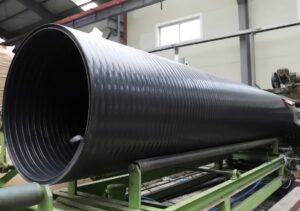
- Chemical Storage Tanks: Seamless, leak-proof containment for corrosive acids.
- Wastewater Treatment: Components that resist chemical attack and environmental stress.
Medical & Laboratory
- Autoclavable Containers: Parts that can withstand high-pressure steam sterilization.
- Laboratory Housings: Precision enclosures for sensitive diagnostic equipment.
Automotive & Transportation
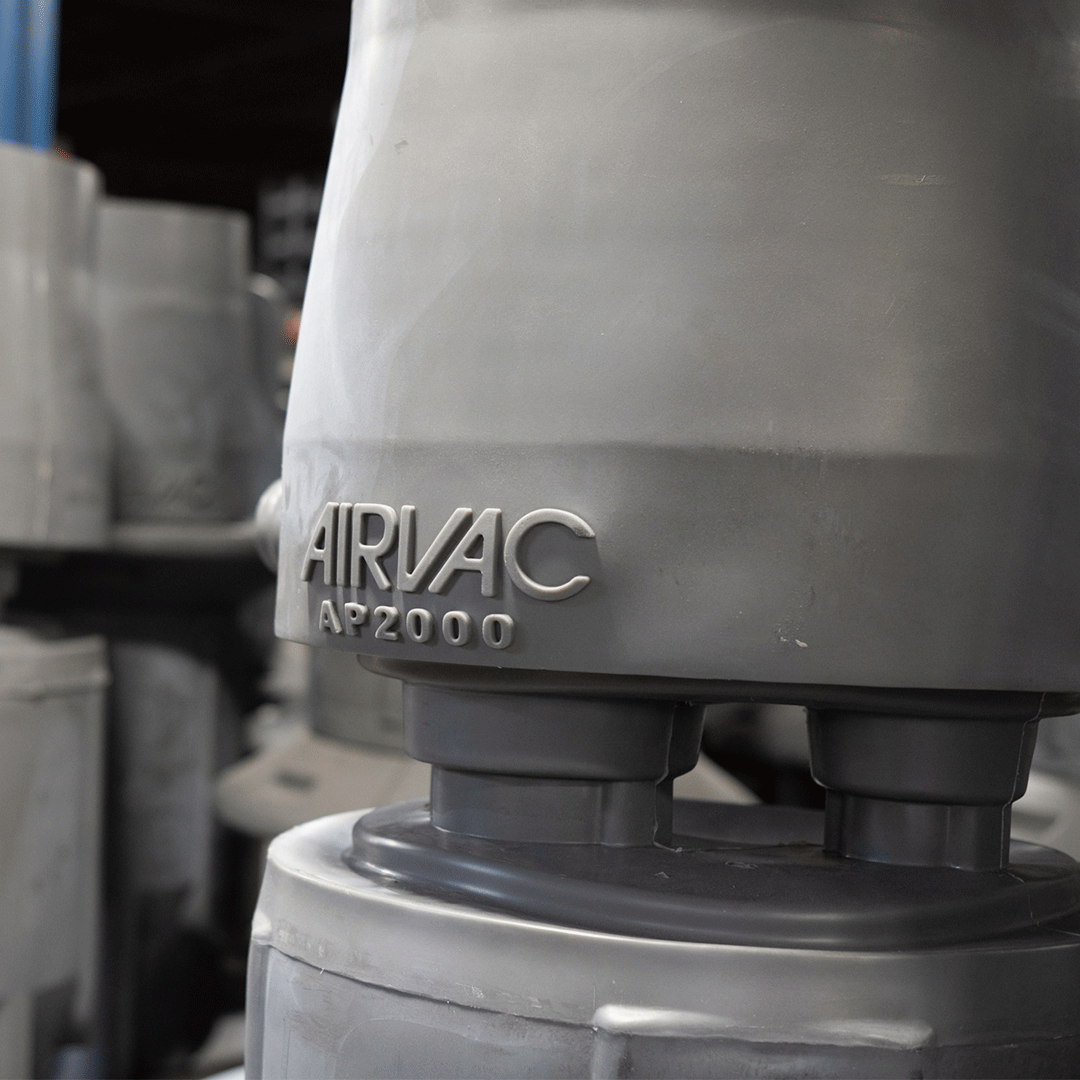
- Air Intake Systems: High-heat stability for engine-adjacent parts.
- Fluid Reservoirs: Resistance to oils, fuels, and varying thermal cycles.
Engineering Check: Design Considerations for Custom PP
Successful custom polypropylene rotomolding requires specific design adjustments to account for the material’s unique behavior during cooling.
Engineer’s Quick-Check List:
- Shrinkage & Crystallization: While PP’s overall shrinkage rate (1.5% – 2.0%) is similar to some polyethylenes, its semi-crystalline nature makes it highly sensitive to cooling rates. Tooling must be precisely scaled and engineered for this specific polymer.
- Draft Angles: Minimum of 2° to 3° is required to prevent “sticking” due to material rigidity.
- Wall Uniformity: Precise thermal monitoring is required to prevent thinning in tight corners.
- Warping: Even cooling is mandatory to keep flat surfaces from bowing.
The Integrity Rotational Advantage
At Integrity Rotational, we don't just mold plastic—we engineer solutions. We understand that PP is a sensitive material that demands a higher level of expertise than standard commodity resins.
Our Capabilities Include:
- Precision Thermal Control: State-of-the-art monitoring ensures optimal fusion without oxidation.
- Material Customization: We offer UV-stabilized or flame-retardant grades of PP.
- In-House Tooling: We design molds specifically for the high-shrinkage environment of Polypropylene.
Polypropylene is the ideal bridge between standard plastics and high-cost specialty polymers. If your project requires a balance of lightweight design, high-heat stability, and absolute chemical resistance, polypropylene rotational molding services are the answer.
By choosing a partner like Integrity Rotational, you gain access to the technical mastery required to turn this challenging material into a high-performance reality.