When product designers and industrial engineers plan a new project, selecting the correct manufacturing method dictates the commercial success of the product. High-volume processes like injection molding or blow molding work well for small, simple parts, but they often fail when a project requires massive dimensions, hollow configurations, or intricate geometries.
Rotational molding, commonly known as rotomolding, fills this manufacturing gap. It is a low-pressure, high-temperature production technology that involves adding polymer powder to a hollow mold, which is then heated and biaxially rotated. The material melts, fuses, and forms a durable, bubble-free layer that matches the mold’s exact interior surface.
Understanding the balance of rotational molding advantages and disadvantages ensures engineering teams make the most practical, cost-effective choice for their production runs.

Common Industrial Applications
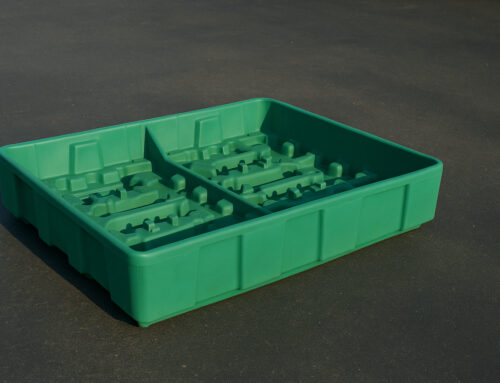
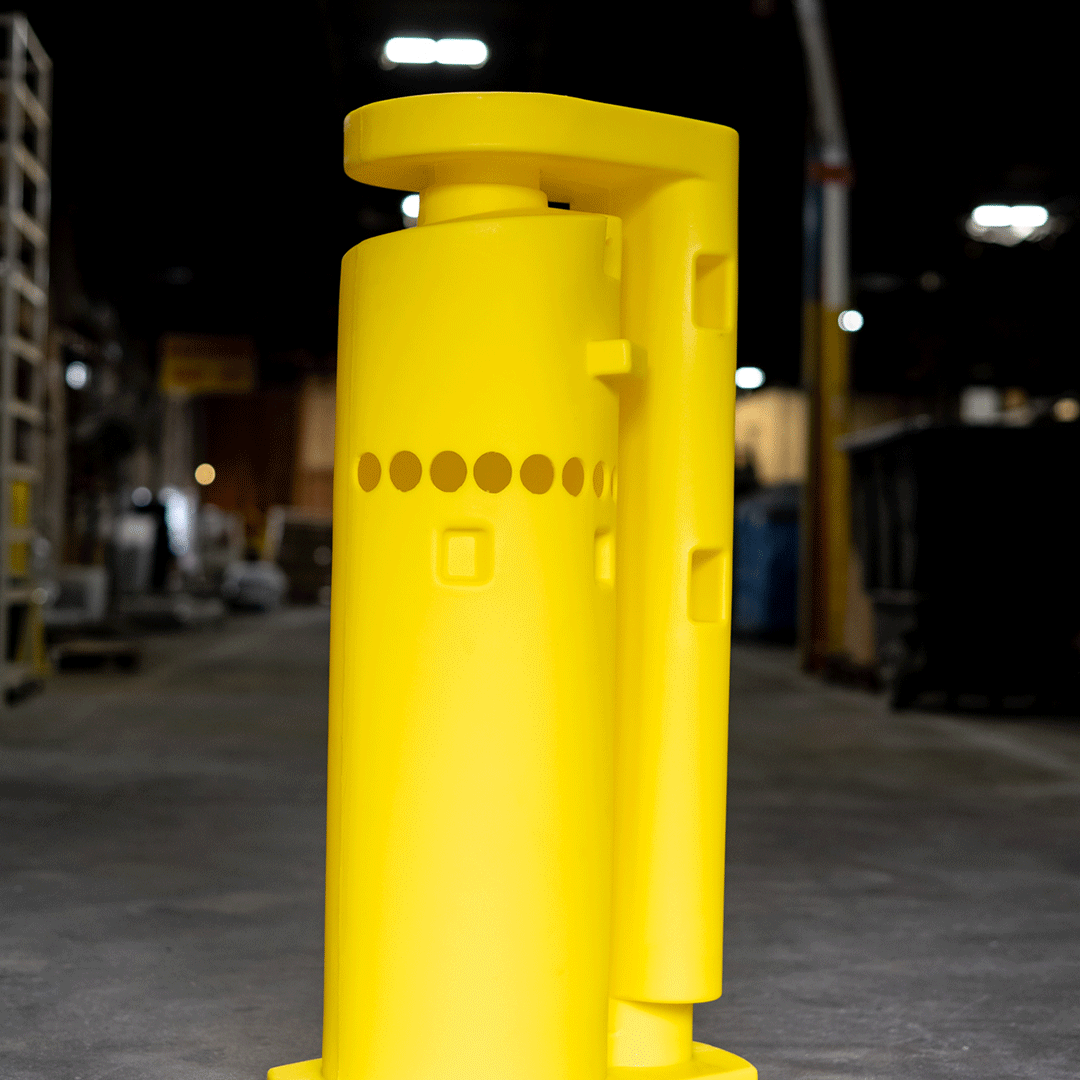
Rotomolding is the preferred method for parts requiring exceptional structural stability, uniform walls, and seamless construction. Common industrial uses include:
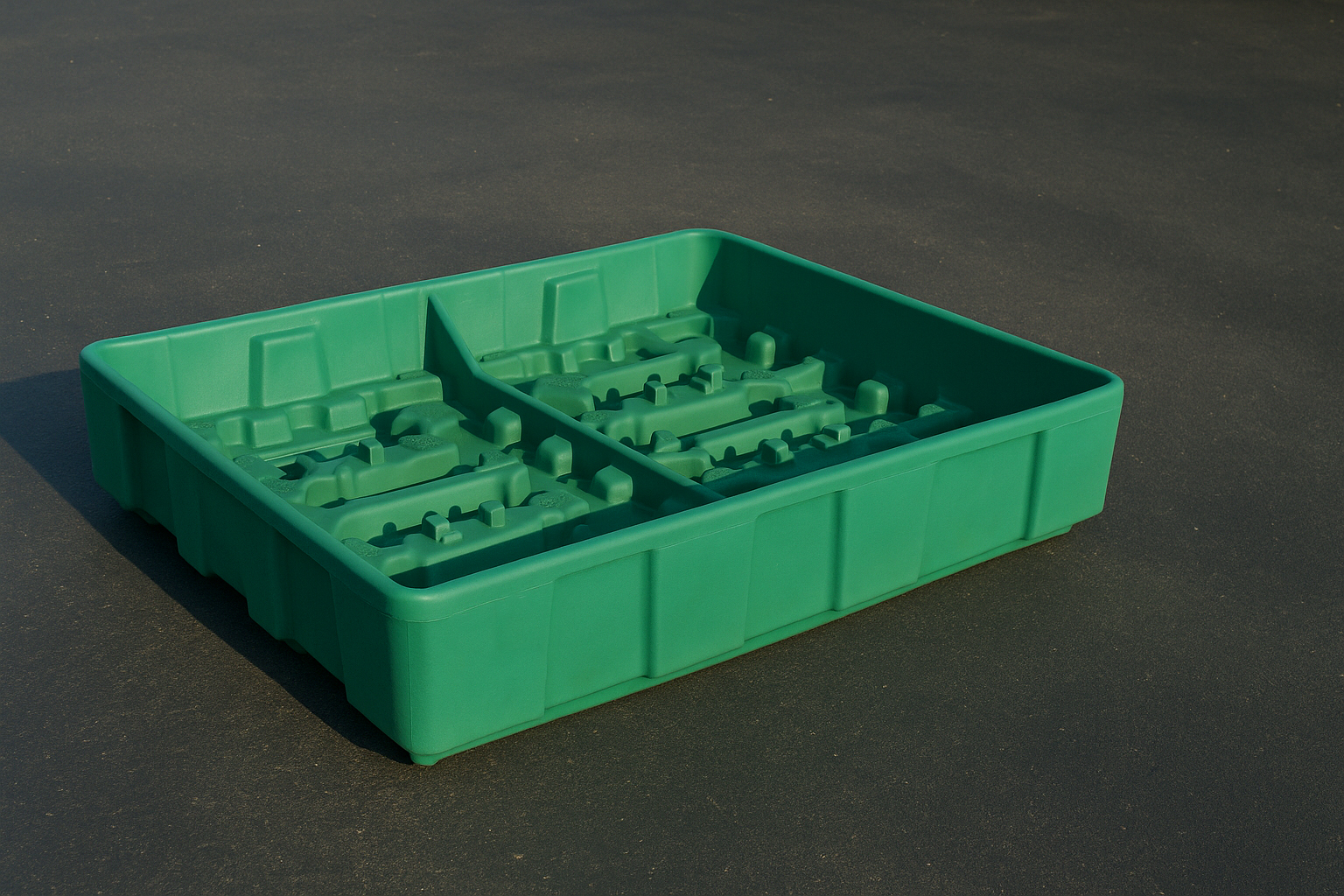
- Containment & Storage: Fuel cells, septic tanks, chemical storage units, oil tanks, and large shipping vessels.
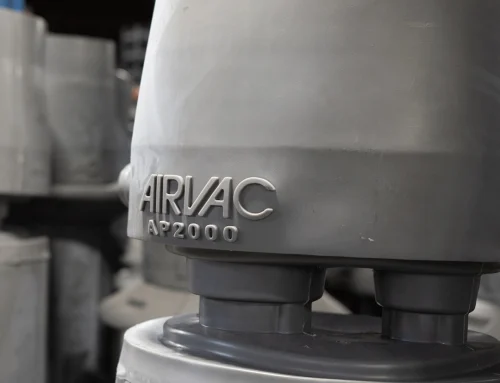
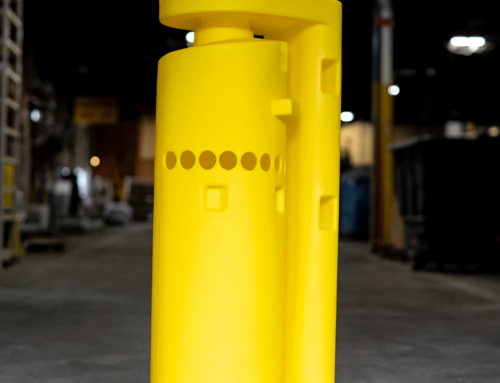
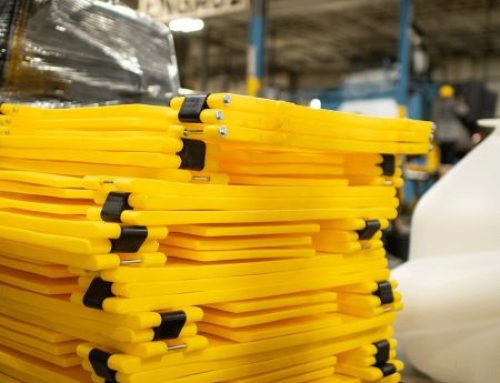
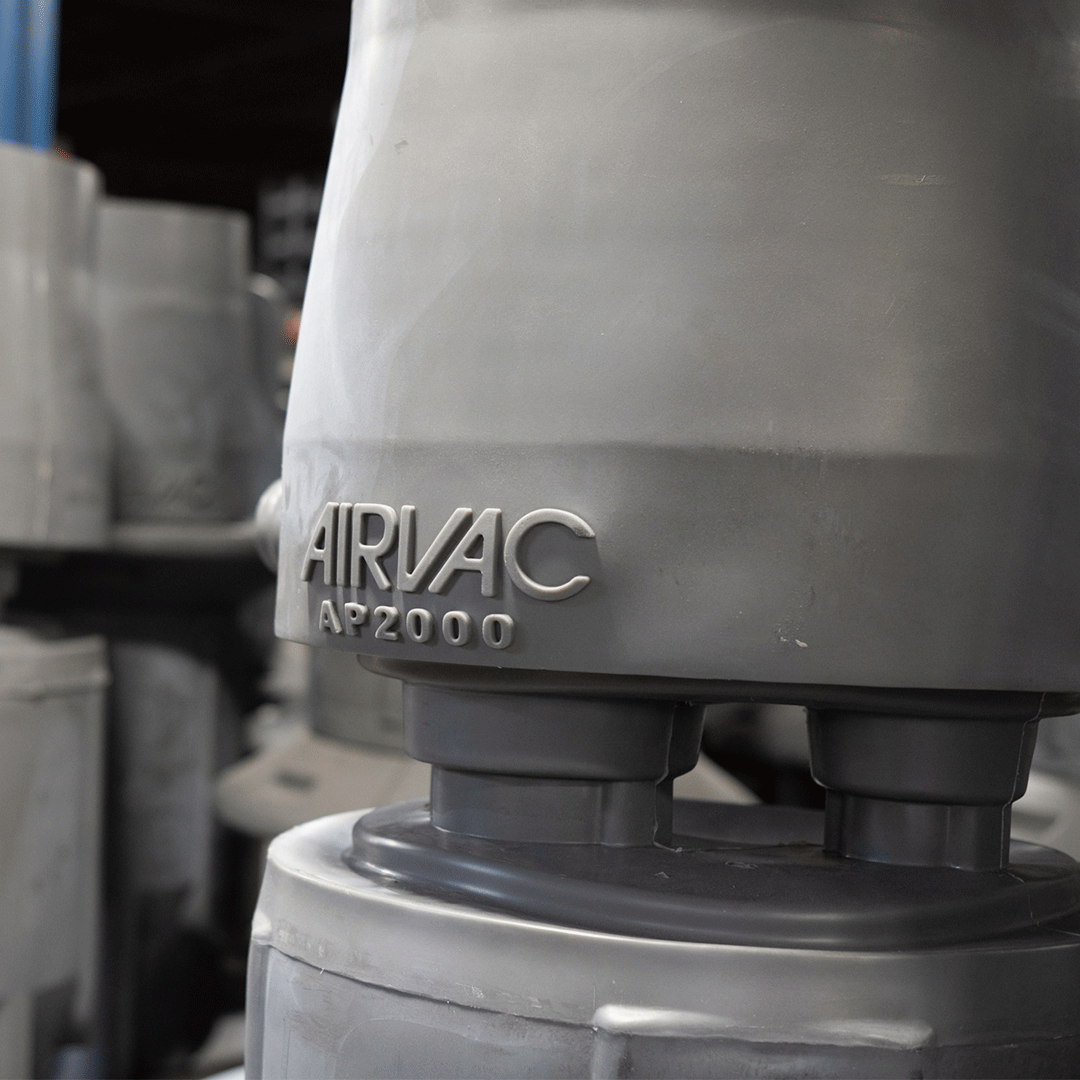
- Commercial Sectors: Agricultural equipment, automotive ducting, heavy-duty furniture, construction components, and water management systems.
During the molding cycle, design elements like metal threads, internal pipes, and spin-weld attachments can be fused directly into the plastic wall. For projects requiring added rigidity or thermal insulation, polyurethane foam can be injected into the hollow core post-production.
The Four Stages of the Rotational Molding Process
The manufacturing cycle relies on a simple yet precise four-stage process to transform raw resin into finished industrial components.
Ready to Leverage the Rotational Molding Advantages?
Ready to Leverage the Rotational Molding Advantages?
Let’s review your design and see how the rotational molding advantages can improve strength, reduce tooling costs, and streamline production.
Let’s review your design and see how the rotational molding advantages can improve strength, reduce tooling costs, and streamline production.
The Advantages of Rotational Molding
Stress-Free Structural Integrity
Because rotomolding does not rely on high pressure to force material into a mold, the finished components are virtually free of residual internal stresses. This results in robust parts that are highly resistant to cracking, warping, or fracturing under heavy impact or load changes.
Uniform Wall Thickness and Reinforced Corners
In blow molding, material stretches thin at sharp corners, creating inherent weak points. Rotational molding achieves the opposite effect; centrifugal force naturally drives slightly more material into outer edges and corners, reinforcing the exact areas prone to high stress and wear.
Lower Upfront Tooling Investment
Molds for rotational molding are typically fabricated from cast or sheet aluminum rather than the hardened tool steel required for injection molding. This significantly reduces upfront tooling costs, making the process highly economical for short to mid-range production runs (typically 500 to 3,000 units annually).
Accelerated Speed to Market
Simpler tooling fabrication means shorter lead times. Custom aluminum molds can often be built, tested, and ready for production in less than three months, allowing engineering teams to transition from prototype to final market delivery quickly.
Zero Material Waste & Recyclability
Rotomolding is a highly sustainable process. Because the exact weight of the plastic powder is loaded into the mold before the cycle, there is virtually no scrap or trim waste. Furthermore, the polyethylene resins used are 100% recyclable, minimizing the overall environmental footprint.
The Disadvantages of Rotational Molding
Restricted Material Options
Not all plastics are suited for this process. Raw materials must be capable of being ground into a fine, flowable powder and must possess high thermal stability to withstand prolonged oven exposure without degrading. This limits choices primarily to polyethylene families.
Extended Cycle Times
Unlike injection molding, which can spit out parts every few seconds, rotomolding is a thermal process that requires distinct heating and cooling phases. A single manufacturing cycle can take anywhere from twenty minutes to several hours depending on part size and wall thickness, which limits rapid daily output.
Higher Raw Material Processing Costs
The necessity of grinding plastic granules into a fine powder requires specialized compounding equipment. This extra preparation step makes the raw powder more expensive per pound than the standard plastic pellets used in high-pressure molding methods.
Intensive Labor Requirements
Automation options are limited in rotomolding operations. Loading material, securing mold clamps, and demolding finished parts require hands-on technical operators, which increases the percentage of labor costs involved in production.
Selecting the Right Manufacturing Partner
Every manufacturing process comes with design trade-offs. The key to a successful product launch is matching your design geometry and production volume to the correct method. For complex hollow geometries, heavy-duty industrial applications, and projects requiring low upfront tooling risk, rotational molding provides an efficient, durable solution.
Integrity Rotational Molding delivers end-to-end engineering, tooling fabrication, and precision manufacturing services tailored to your specific application requirements.